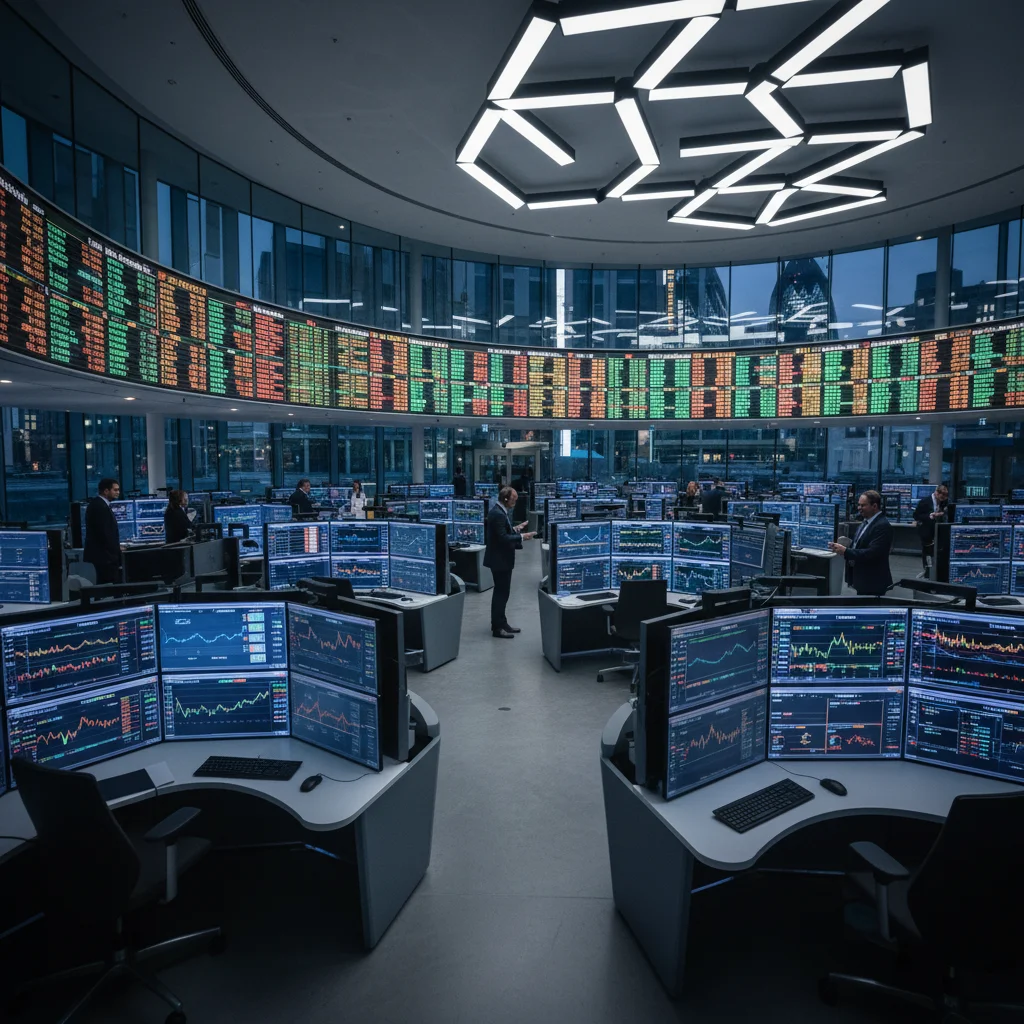
1 History of the London Metal Exchange
The LME traces its origins to the Royal Exchange in London, where metal traders began meeting in the early 19th century. The exchange was formally established in 1877 to meet the growing demand for a regulated marketplace for metal trading.
In 2012, the LME was acquired by Hong Kong Exchanges and Clearing Limited (HKEX) for $2.2 billion, marking a new chapter in its history. Today, it handles over $15 trillion in metal contracts annually.
In 2012, the LME was acquired by Hong Kong Exchanges and Clearing Limited (HKEX) for $2.2 billion, marking a new chapter in its history. Today, it handles over $15 trillion in metal contracts annually.
2 How LME Pricing Works
The LME uses a unique pricing mechanism called the "Ring" - an open-outcry trading session where traders sit in a circle and call out bids and offers. The official LME prices are set during two daily Ring sessions:
In addition to Ring trading, the LME operates an electronic platform (LMEselect) and an inter-office telephone market, providing 24-hour price discovery.
- Morning Ring: 11:40 - 13:10 GMT (each metal has a 5-minute slot)
- Afternoon Ring: 14:55 - 16:15 GMT (the Official Settlement Prices are set here)
In addition to Ring trading, the LME operates an electronic platform (LMEselect) and an inter-office telephone market, providing 24-hour price discovery.
3 LME Contracts Explained
The LME offers several types of contracts:
Futures Contracts: Standard delivery dates up to 123 months forward. The most liquid is the 3-month contract.
Options: Monthly and daily options on all main metals, providing hedging flexibility.
TAPOs (Traded Average Price Options): Monthly average pricing, popular with industrial users.
Cash Contracts: For immediate delivery (2 business days).
Futures Contracts: Standard delivery dates up to 123 months forward. The most liquid is the 3-month contract.
Options: Monthly and daily options on all main metals, providing hedging flexibility.
TAPOs (Traded Average Price Options): Monthly average pricing, popular with industrial users.
Cash Contracts: For immediate delivery (2 business days).
4 LME Warehousing System
The LME maintains a global network of over 450 licensed warehouses in 33 locations worldwide. These warehouses store physically deliverable metal and issue warrants (ownership certificates).
Key aspects:
Key aspects:
- Warehouse stocks are published daily and serve as a market indicator
- Declining stocks often signal strong demand and can push prices higher
- The warehouse system ensures transparency and quality standards
- Metal must meet LME-approved brand specifications
5 Metals Traded on the LME
The LME currently trades six primary base metals:
Copper (Grade A): The most widely traded LME metal, critical for construction and electronics.
Aluminum (Primary): Used in transportation, packaging, and construction.
Zinc (SHG): Essential for galvanizing steel.
Nickel (Primary): Key ingredient in stainless steel and batteries.
Tin: Used in solder and tinplate.
Lead: Primarily used in batteries.
The exchange also trades precious metals, steel scrap, and several minor metals.
Copper (Grade A): The most widely traded LME metal, critical for construction and electronics.
Aluminum (Primary): Used in transportation, packaging, and construction.
Zinc (SHG): Essential for galvanizing steel.
Nickel (Primary): Key ingredient in stainless steel and batteries.
Tin: Used in solder and tinplate.
Lead: Primarily used in batteries.
The exchange also trades precious metals, steel scrap, and several minor metals.
6 Impact on Global Metal Prices
LME prices directly influence the pricing of physical metal worldwide. Most scrap metal dealers, manufacturers, and mining companies reference LME settlement prices when negotiating contracts.
When you check metal prices on MetalMarket.cash, the data reflects LME-based pricing, adjusted for scrap grades and local market conditions. Understanding LME dynamics gives you an edge in:
When you check metal prices on MetalMarket.cash, the data reflects LME-based pricing, adjusted for scrap grades and local market conditions. Understanding LME dynamics gives you an edge in:
- Negotiating better scrap metal prices
- Timing purchases and sales
- Hedging against price volatility
- Understanding global supply and demand trends